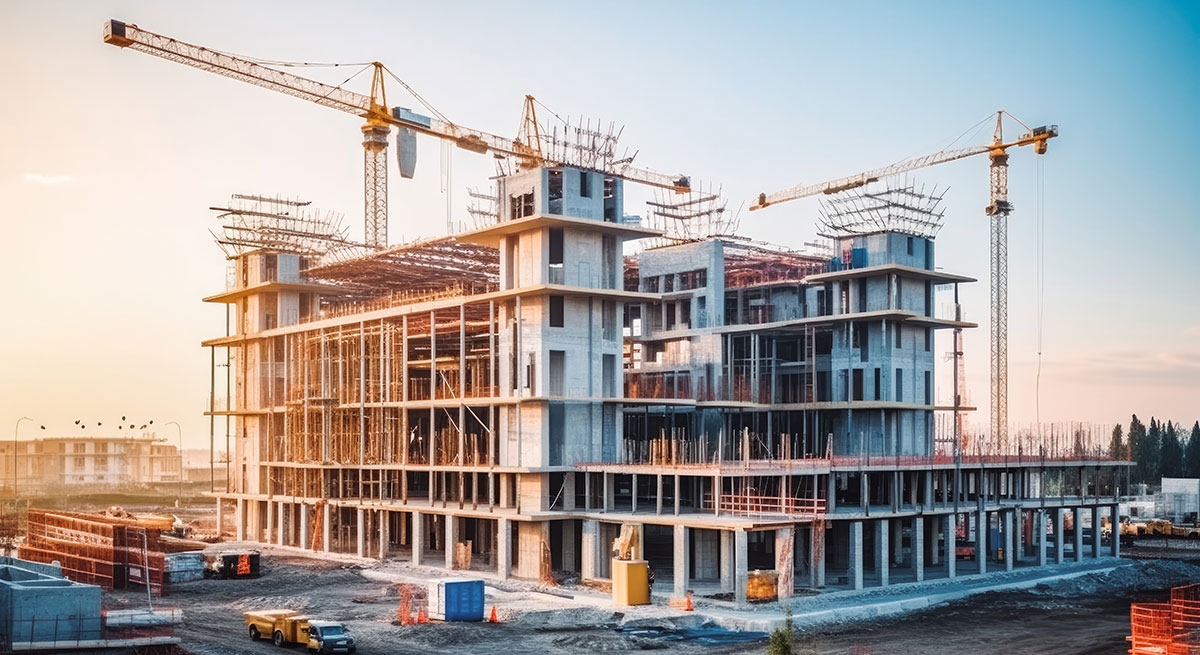
The construction of built-to-rent single-family housing, referred to as BTR, has experienced a significant decline over the past year. This slowdown is projected to create a shortage of new supply relative to market demand within the next eighteen to twenty-four months. The pace at which individual BTR projects are leasing has slowed, and rental rates have been reduced in many locations as a result of the substantial amount of rental supply completed in recent years.
Quantifying the Decline in Built-to-Rent Starts
Data from the U.S. Bureau of the Census indicate that BTR starts fell by thirty-eight percent between the first quarter of 2024 and the first quarter of 2025. Anecdotal evidence from industry contacts suggests the reduction is even more pronounced. Conversations with top BTR developers indicate a sharp decline in the number of projects being initiated. In addition, national land brokers report that land acquisitions intended for BTR development have decreased by ninety percent compared to levels observed two years ago. Taken together, these figures suggest a severe contraction in core BTR activity that exceeds the reductions reflected in Census Bureau data.
Factors Contributing to the Reduction in Built-to-Rent Construction
The decline in BTR starts can largely be attributed to elevated costs of capital and construction, which make achieving adequate risk-adjusted returns more challenging. Rising interest rates have caused many developers to adopt a cautious approach, often referred to as “penciling down” projects that no longer meet required financial thresholds. While debt and equity capital remain available, investors have become more selective and are focused on projects that provide sufficient returns. The fundamental demand for BTR housing remains strong, but the pace of development is now insufficient to meet projected future demand.
Pent-Up Demand Creates Future Opportunity for Investors
The limited number of BTR starts today is likely to create a market advantage for units completed in 2027. Projects initiated now, with an expected completion date in 2027, will encounter a market with relatively low new-unit competition. Developers who invest during this period are positioned to benefit from favorable leasing conditions and potential rent growth. Currently, only a minority of BTR stakeholders are taking this forward-looking approach, while most remain on hold due to cautious capital partners.
Sustained Rental Demand Supports the BTR Market
Despite the slowdown in construction, rental demand continues to demonstrate resilience. Record levels of apartment completions have had minimal impact on occupancy rates. In 2024, the United States added 839,000 new renter households, representing the fastest growth since 2015 and well above the long-term average of approximately 500,000 annually. Several factors are driving this demand. Elevated mortgage interest rates have pushed potential homebuyers into the rental market. The BTR segment is particularly appealing as it provides single-family living options, including yards and attached garages, often at a lower monthly cost than homeownership. Demographic trends also support rental demand, with fewer young adults aged twenty-five to thirty-four residing with parents since 2020, resulting in new household formations.
Rent Growth Potential Amid Rising Incomes
There remains an opportunity for rent growth as wage increases have outpaced lease rent growth for the past two years. Income gains among individuals in their twenties, thirties, and forties are exceeding average population growth due to career advancement and entrepreneurial activity. This trend suggests that demand for BTR units will continue to be supported by rising household incomes, sustaining rental rates as new units enter the market.
Geographic Distribution of BTR Development
Data from Point2Homes, utilizing Yardi Matrix, indicate that Texas has 21,812 BTR houses in various stages of development. Arizona and Florida each have approximately 14,000 units in the pipeline, while North Carolina is expected to deliver 12,000 units. It is important to note that many of these units are already in lease-up, and occupancy rates remain robust. Renewal rates for completed developments are high, and rents in markets experiencing temporary oversupply, such as Austin, are expected to stabilize within the next two years.
Anticipated Increase in BTR Investment
The current limited pace of BTR development suggests that investment in the sector will increase over the next several years. A subset of investors is positioning themselves to capitalize on pent-up demand and limited future competition. A notable example is JP Morgan’s establishment of Laseter Development Group, a vertically integrated BTR development firm responsible for land acquisition and construction in collaboration with partners Paran Homes and Georgia Capital. This development underscores growing confidence among major capital players in the long-term potential of the BTR market.
The Role of NFRC Companies in Guiding Developers and Investors
At NFRC Companies, we provide market analysis, financing solutions, and strategic consulting for developers and investors in the BTR sector. Our expertise enables clients to navigate elevated construction costs, selective capital markets, and timing development to maximize the advantages presented by pent-up demand. Interested parties can schedule consultations with Robert Kravitz via phone at 877.278.8372 or book directly through our online scheduling system.
By understanding these dynamics, developers and investors can strategically align BTR development with anticipated supply constraints, demographic trends, and continued rental demand to optimize long-term returns.
Please click on the “CALENDLY” hyperlink below if you’d like to schedule a call with Robert Kravitz 🙂
Thank you,
Robert Kravitz
NFRC Companies
Atlantic Commercial & Business Brokers, Atlantic M & A Advisory
Commercial Loan Capital
Complete Debt Solutions
President